All posts by Simon Norris

Start with meaning

A summary of the key concepts and ideas from the 5 articles in the meaning series. We human beings are hungry for meaning in all aspects of our lives. The meaning-first manifesto is a philosophy for researching and designing meaningful interaction.

Meaning First: a manifesto for user-experience design

Meaning is what we assign to every aspect of our lives from the simplest of actions to the most complex. The design of any digital experience that feels meaningful has to accommodate our basic human need for discovery.

Meaning-first is a design approach that puts emphasis on delivering meaningful interactions.

Designing meaning: translating insight into design

Regardless of the proposed technology the ultimate goal is to make any design and the experience as meaningful as possible to the user. This article will focus on the actual ‘shaping’ or designing of meaningful interaction. Understanding what is actually meaningful to people in terms of their interaction and the form it should take represents the very essence of ‘designing a great experience’.

Enhancing the university submission experience

University websites are failing to click with prospective students – our detailed white paper includes latest industry insights and our recommendations for improvement.

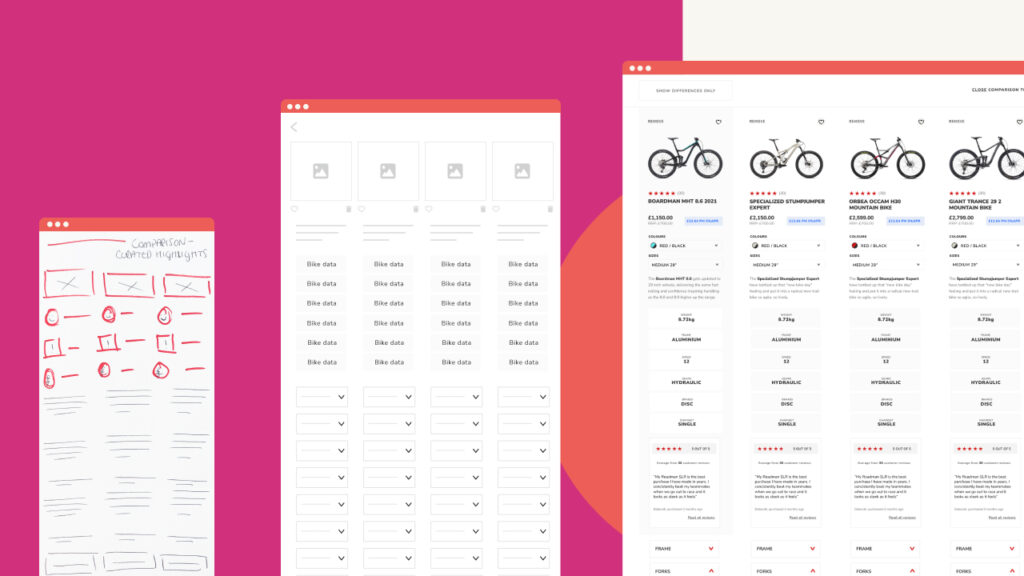
Why fidelity matters: good with users and bad with clients

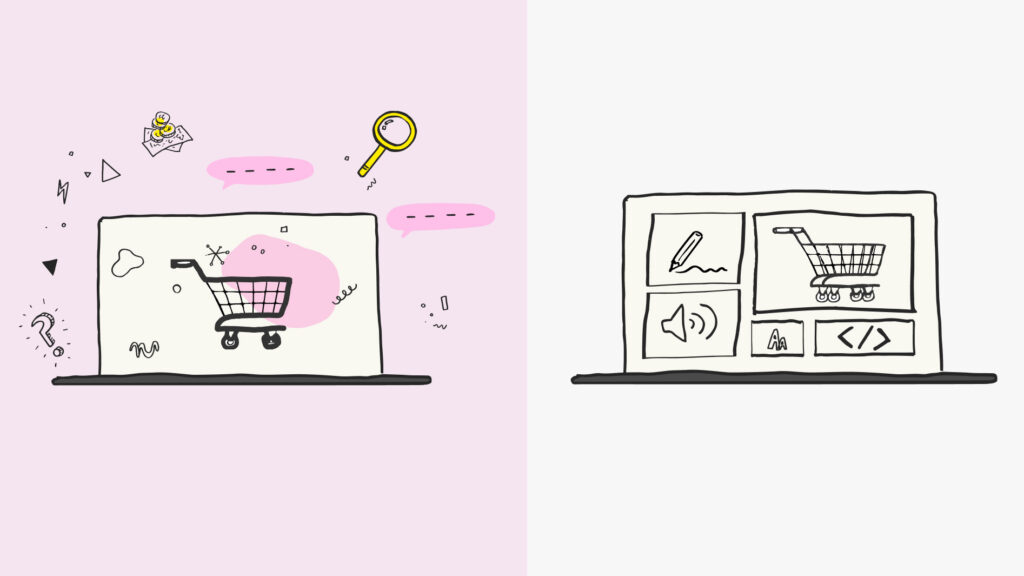
Typically, when fidelity gets mentioned in a user experience (UX) context we often hear it paired with the word wireframe. Fidelity is more commonly known in its abbreviated form either as low-fi or high-fi. Yet, we feel fidelity has so much more to offer. We can use it as a tool to design meaning.

This article will explore the idea of using fidelity to build a common understanding – a shared meaning. It builds on a presentation given in February ’12 to the Bristol Usability Group.

Researching meaning: making sense of behaviour

Most of our decisions on a daily basis will be driven by some sort of emotional factor rather than thinking or reason. We process more than 11 million pieces of sensory information every second. We can only attend to about 40 of those but the rest is not disregarded – it’s processed. As interaction designers we need to learn to dive below the surface and uncover the factors that will help us design deeper meaning.

Creating the perfect donation experience

An extract from our latest whitepaper, Creating the perfect donation experience. The report walks the reader through our research and demonstrates how to apply our Donation Framework to your website.

Why thanking donors online is powerful

Why should you thank your online donors? After all once they’ve completed the transaction, surely it doesn’t matter what you do then? Having viewed the Thank you pages on a number of different charity websites, it seems as though many charities are taking this attitude.